Get Professional Signage That Boosts Your Business Visibility, Fast & Hassle-Free!
School Signs NYC
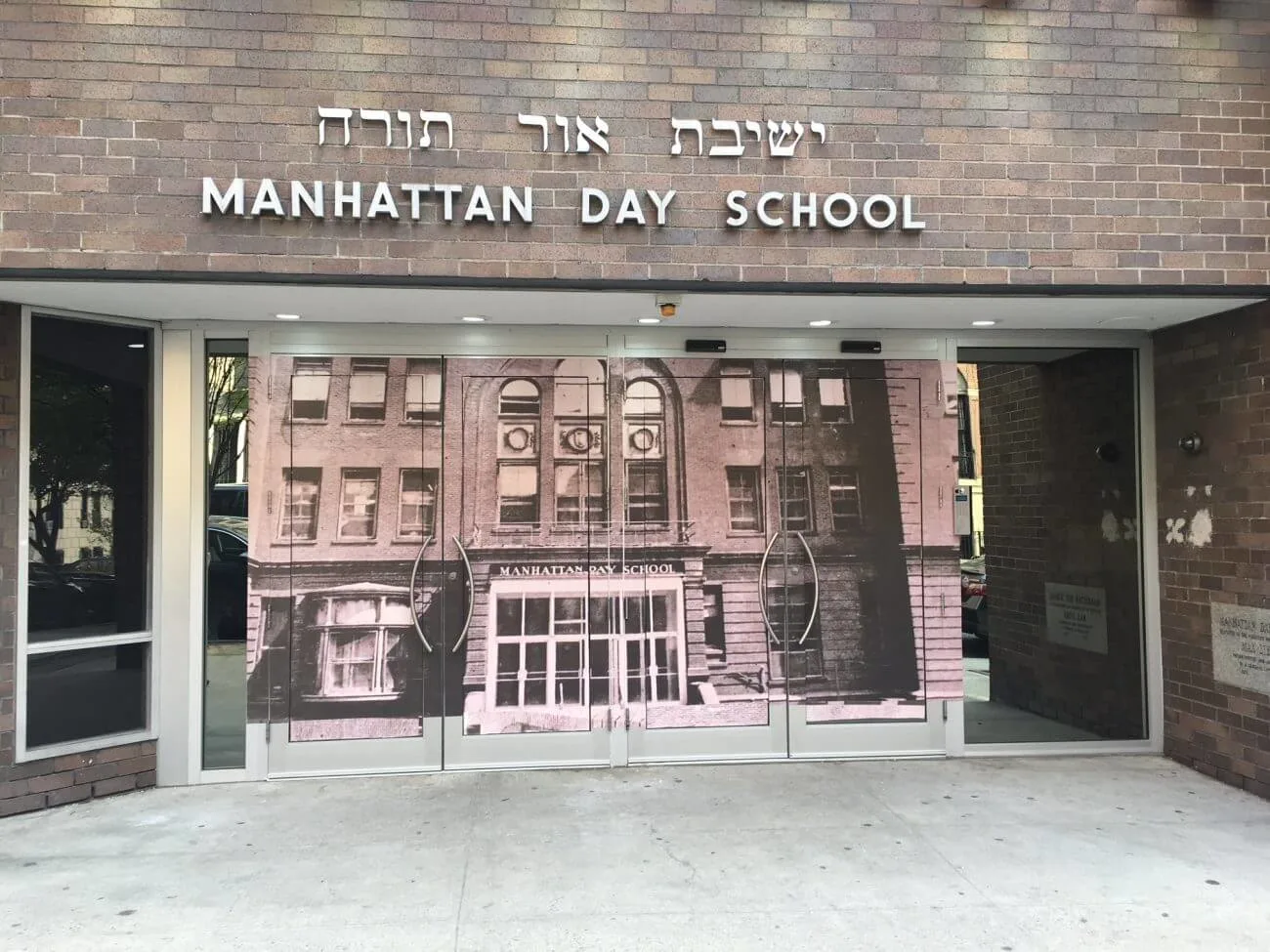
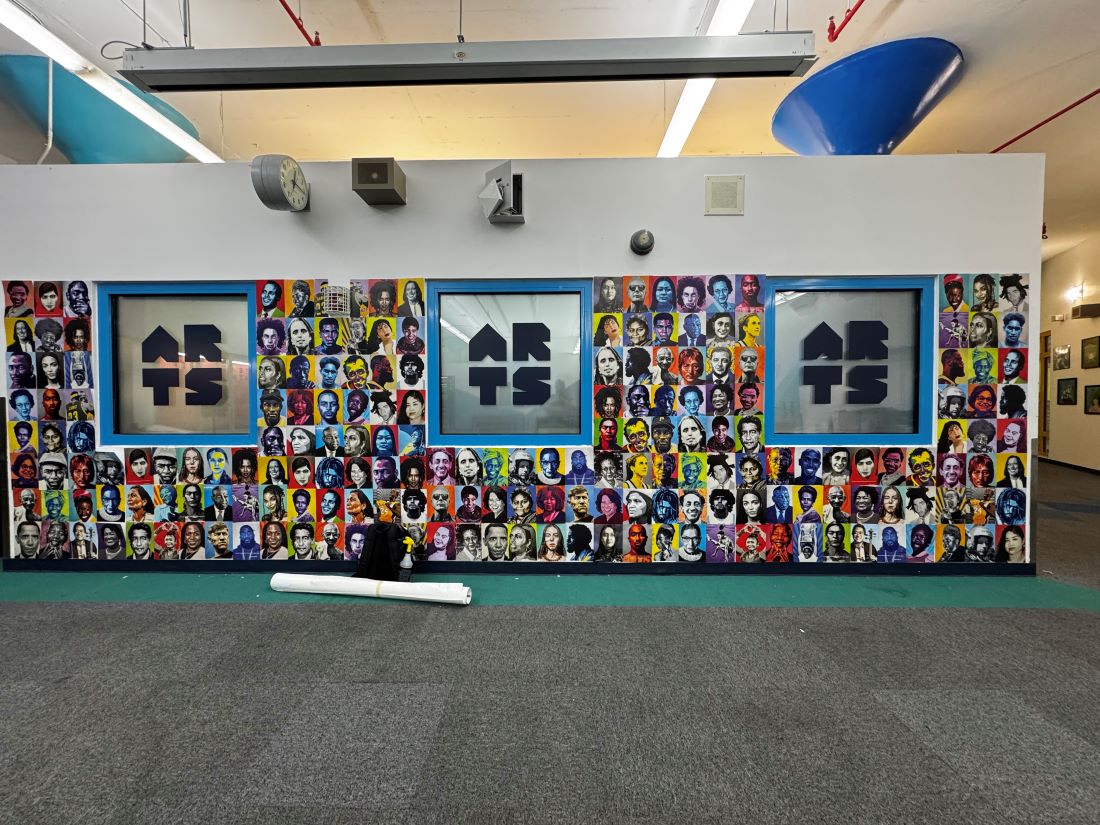
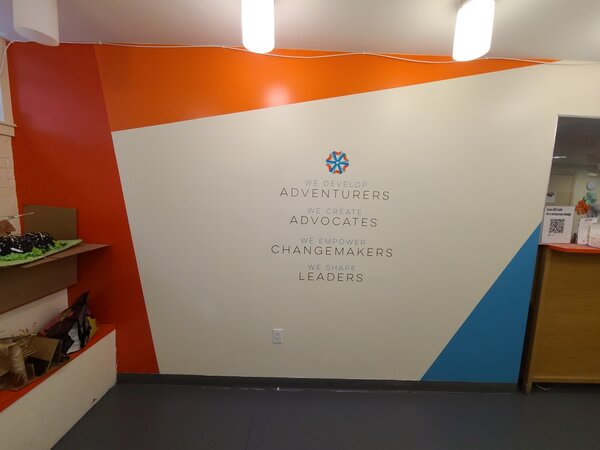
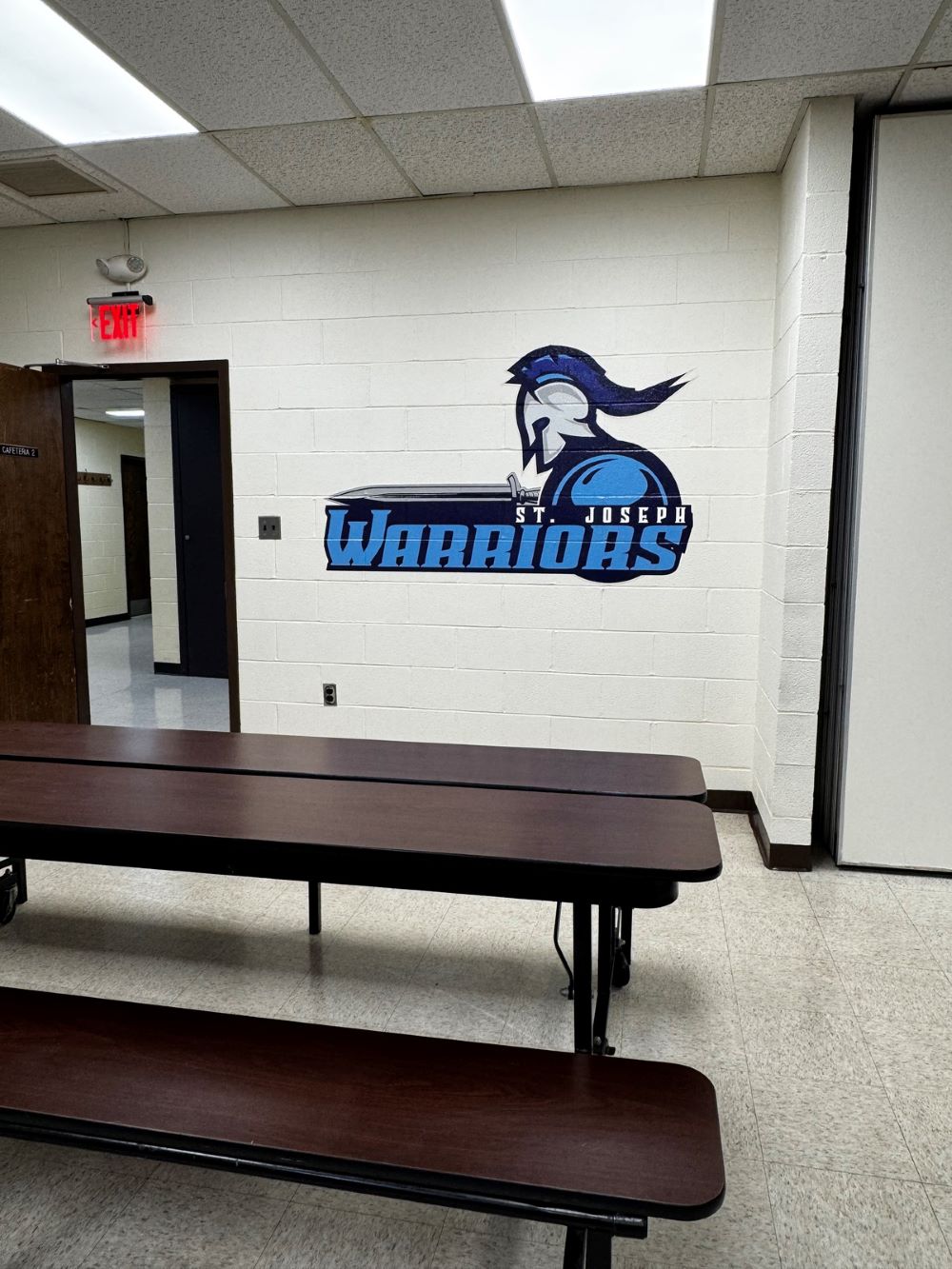
Signage for New York schools, universities and charter networks: campus and building identification, wayfinding, classroom and room identification, ADA-compliant packages, and donor recognition walls. We schedule fabrication backwards from your break window rather than forwards from the order date, because a missed window in a school year means months, not days.
A typical package runs from the street to the classroom door: building and campus entrance identification, wayfinding from the entrance to the main office and to classrooms, room identification, ADA-compliant restroom, exit and stairwell signage with raised tactile characters and Grade 2 braille, and emergency and evacuation signage. Multi-building sites also need a numbering convention that holds across the whole campus, which is the part most often decided too late.
The constraint is rarely the sign. It is the calendar, the building access and the approval cycle. An independent school board, a charter network’s central office and a university’s capital projects group each approve on their own schedule, and that is usually the longest item in the programme. Tell us who signs off and when they meet, and we will build the timeline around it.
Send us the drawings or the room schedule at whatever stage they exist.
Educational institutions in New York City — from private K-12 schools to university buildings — need signage that works for students, staff, and visitors while projecting the institution’s identity. We produce exterior building signs, interior wayfinding, classroom identification, and compliance signage for schools and universities across the five boroughs.
Building identification signs, campus entrance signs, and donor recognition walls are common projects for educational institutions. We work with school facilities teams and architects to produce exterior signage that meets building and zoning requirements.
Corridor wayfinding, room identification, and department signs help students and visitors navigate complex buildings. All classroom and room signs are produced to ADA standards, including tactile and Braille elements where required by New York City building codes.
The constraint in school signage is not the sign. It is the calendar and the building access.
Most signage work in an occupied school happens between terms or over the summer, inside a fixed window. Missing it does not mean a delay of a week, it means waiting for the next break, which in a school year can be months. We schedule fabrication backwards from the install window rather than forwards from the order date, and we say at the quoting stage whether a window is realistic rather than after the order is placed.
An independent school board, a charter network’s central office and a university’s capital projects group all approve on their own calendars, and none of them approves in a week. When we quote, we ask what has to be approved and by whom, because that is usually the longest item in the programme and the one most often left out of the timeline.
On a multi-building campus the package is phased so each building is finished and usable before the next one starts, rather than leaving a whole site half-signed through a term.
We work from architectural drawings and interior design specifications and provide a signage schedule coordinated with the construction timeline. On a renovation the sign schedule tracks the trades rather than arriving after them.
Schools that have been renovated often have rooms that were combined, split or renumbered without the drawings being updated. That mismatch is the most common source of wrong signs in a large order, and on a classroom package the order is large. The schedule gets reconciled against the building’s actual room list before anything is fabricated.
Signage gets damaged, and a school needs to order one replacement in year three and have it match the other two hundred. The project specification stays on file so a later order matches the original run in material, finish and typeface.
Recognition signage is the part of a campus signage programme that has to look permanent, because it is a promise as much as a sign.
Plaques and panels grouped by giving level, in etched metal, brushed aluminum, acrylic or glass, designed so the hierarchy reads at a glance without anyone having to explain it.
Where names are added over years, the system matters more than any individual plaque. A modular layout means a name added in year five matches the one added in year one, in the same material and the same finish, without the wall being rebuilt. This is the single decision that determines whether a donor wall still looks intentional a decade later.
Individual dedication plaques for classrooms, labs, theatres, libraries and athletic facilities, coordinated with the room identification signage so the two do not read as two different systems installed by two different vendors.
Etched metal, with the detail chemically etched rather than routed, which holds fine lines, small type, thin rules and complex seals that a cutting tool cannot resolve.
Named offices, department identification and award or honour boards, produced in the same system as the donor programme so the campus reads as one.
Because these signs are ordered in stages over years, the material and finish specification is what keeps them consistent, and we keep it on file.
We also produce signage for New York hotels and hospitality venues: guest room and floor identification, wayfinding to amenities, ADA-compliant restroom and exit signage, meeting and event space identification, and lobby and front desk branding. Installations are phased floor by floor and scheduled outside peak occupancy, coordinated with property management, so the property keeps selling rooms.
Full detail, including brand standards and flag changes: hotel and hospitality signage.
School build-outs and renovations often involve multiple stakeholders — facilities managers, brand teams, interior designers, and architects. Street Style Sign Studio is experienced working within these project structures.
We can work from architectural drawings and interior design specifications, provide signage schedules that coordinate with construction timelines, and phase installations to minimize disruption to ongoing operations.
Contact us today to get started and receive a free quote.
Yes. We work with private schools, charter schools, and universities in New York City to produce exterior identification, interior wayfinding, classroom signs, donor walls, and ADA-compliant signage systems.
A typical package covers building and campus entrance identification, wayfinding from the entrance to the main office and to classrooms, classroom and room identification, ADA-compliant restroom, exit and stairwell signage with raised tactile characters and Grade 2 braille, and emergency and evacuation signage. Campuses with more than one building also need building-by-building identification and a numbering convention that holds across the whole site, which is the part most often decided too late.
Most work happens between terms or over the summer, inside a fixed window that does not move, so we schedule fabrication backwards from that window rather than forwards from the order date. Where work has to happen during term, it is scheduled outside school hours and phased so each area is finished and usable before the next one starts. The item most likely to push a project past a break window is not fabrication, it is approval, so it is worth telling us early who has to sign off and when that group meets.
Yes, including modular systems where names are added over years. In a modular layout a name added in year five matches the one added in year one, in the same material and the same finish, without the wall being rebuilt. We produce donor walls and named space plaques in etched metal, brushed aluminum, acrylic and glass, and keep the specification on file so later additions match rather than approximate.
Yes, and it is quoted per site rather than as a single number, because installation access varies more between two New York buildings than most people expect and that variation is most of the cost difference. We survey each location before fabricating, keep one specification across the network so a sign made for one campus matches a sign made for another two years later, and phase the rollout so each site is finished before the next one starts.
Usually, yes. Matching an existing sign means matching four things: the substrate, the finish, the typeface and the mounting method. Send photographs and, where it still exists, the original artwork or the previous vendor’s specification. Where the specification is gone, which is the normal case on a building that has been signed in stages over a decade, we identify the material and finish from photographs and physical samples and produce the match from that.