

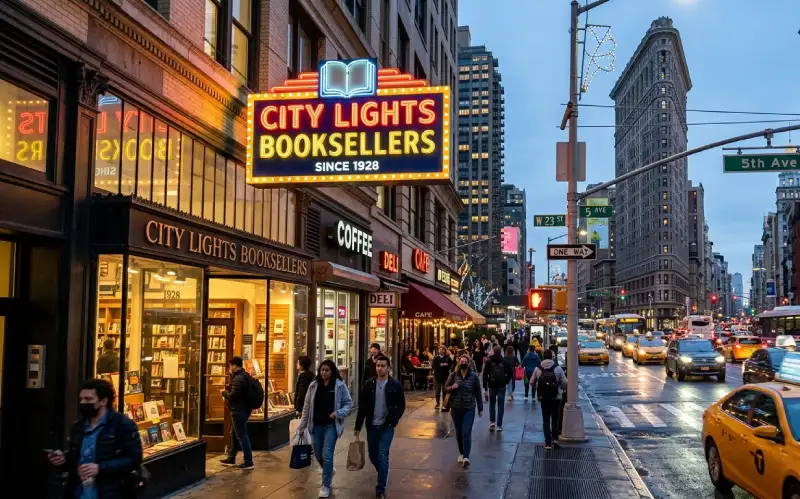
Choosing a sign company in Manhattan is not the same as hiring one anywhere else. Between landmark district rules, Department of Buildings permits, and a skyline of storefronts all fighting for the same passing eye, a sign that works fine in a suburban strip mall can get flagged, fined, or simply ignored on a block in SoHo or the Financial District. Here is what actually separates a sign company built for this island from one that just happens to own a truck that can drive here.
Local Permit Knowledge Matters More Here Than Anywhere Else
Manhattan regulates signage at a level most business owners never expect until they hit a wall. The Department of Buildings requires permits for most illuminated and projecting signs, and the rules shift depending on zoning district, building height, and whether the storefront sits inside a designated historic or commercial overlay. A company that skips this step, or tells you “we’ll figure it out later,” is handing you the fine, not the sign.
This matters even more in landmark-protected pockets of the city. Parts of SoHo, Greenwich Village, and the Upper East Side fall under Landmarks Preservation Commission review, where sign size, material, and even lettering style can require separate approval before installation. A sign company that has actually filed LPC applications before will tell you that upfront, walk you through the timeline, and build it into the project schedule instead of surprising you with it mid-install.
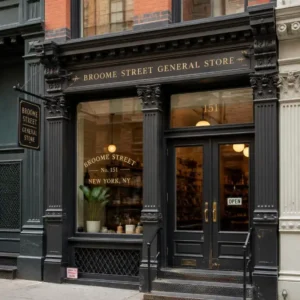
The cost of skipping this step is rarely just a fine. An unpermitted sign can be ordered removed after it is already fabricated and installed, which means paying for the same project twice. Ask a prospective vendor directly how many Manhattan sign permits they have filed in the last year and whether they handle the filing themselves or hand it off to a third party you never meet. The answer tells you how much of the permit risk actually falls on you.
A Portfolio Full of Actual Manhattan Storefronts
Renderings are easy to produce and easy to fake. What you want to see is finished work, installed on real streets you can recognize, ideally with before-and-after photos of the actual storefront the client hired them for. A company that has wrapped fleet vehicles for a Financial District logistics firm or lit up a restaurant window on Restaurant Row has already solved problems specific to this city: narrow sidewalks, landmark facades, and a install window measured in hours, not days.
Ask to see review photos on Google Business Profile, not just a curated gallery on the company website. A sign that still looks sharp two summers later, through salted sidewalks and a few heat waves, tells you more about a fabricator’s material choices than any pitch deck will.
It also helps to ask how many jobs the company has completed within your specific neighborhood or building type. A vendor who has already worked inside your building’s landmark restrictions, or handled a similar storefront layout down the block, has effectively pre-solved problems you have not run into yet. That kind of hyperlocal experience rarely shows up on a generic “our work” page, so it is worth asking about directly during the first call.
Materials Engineered for NYC Weather and Sidewalk Traffic
Weatherproofing Against Salt, Wind, and Temperature Swings
A sign hanging over a Manhattan sidewalk deals with road salt spray in winter, direct sun exposure with no tree cover in summer, and wind tunnels created by tall buildings on either side. Vinyl, acrylic, and metal grades that hold up in a quieter suburb can fade, crack, or peel within a single season here. A sign company worth hiring will tell you which material grade they are quoting and why, not just hand you a price.
Impact Resistance for High Foot Traffic Storefronts
Storefronts at street level take a beating from delivery carts, scaffolding installs, and the occasional bike lock chained too close to the base. A-frame signs, window graphics, and ground-level displays need to survive daily contact, not just weather. This is a detail smaller companies without NYC-specific experience often overlook until a sign is replaced twice in one year.
A useful test during the sales conversation is to ask what happens if a delivery cart clips the base of a new A-frame sign in month three. A company that has fabricated hundreds of these for Manhattan storefronts will already have an answer, whether that means a reinforced base, a replaceable panel, or a warranty clause built specifically for street-level wear. A company hearing the question for the first time usually has not.
Red Flags Worth Walking Away From
Some warning signs show up before a contract is even signed. A company that quotes a price without seeing the storefront in person, refuses to name the specific permits your project needs, or cannot produce a single photo of finished work in Manhattan is telling you something important. So is a salesperson who gets vague the moment you ask about warranty terms or who to call if the sign fails within the first year.
On the other end, a company that shows up to measure the space, asks about your building’s zoning and landmark status unprompted, and puts the permit timeline in writing before asking for a deposit is showing you exactly the kind of process discipline this guide is describing. Those small process signals, measured before quoted, permits named before asked, tend to predict how the rest of the project will go far better than the initial price on the proposal.
Turnaround Time and a Direct Line of Communication
Manhattan leases run on tight timelines, and a landlord waiting on signage before releasing a certificate of occupancy will not wait for a vendor who goes quiet for a week. Ask how the company handles project updates: is there one point of contact who answers, or does every question get routed through a general inbox? A company that assigns a single project manager to your job, from design through install, tends to catch scheduling conflicts before they become delays.
Full-Service Capability From Design to Installation
Juggling a designer, a fabricator, a permit expediter, and an installer as four separate vendors multiplies the chances something falls through a gap. Look for a company that handles the full path in-house: design, fabrication, permitting, installation, and ongoing maintenance. In practice, that usually means one company can produce custom signage for your storefront, window graphics and vinyl lettering for seasonal promotions, business signs and banners for a grand opening or sidewalk sale, all under one point of accountability instead of three separate invoices and three separate excuses.
This full-service model also covers one-off needs that come up outside a normal signage budget, like temporary event signage for a launch party, a pop-up, or a press event. A company that already stocks materials and has an install crew on call for storefront signs can usually turn around event signage on a much faster timeline than a vendor who has to source everything from scratch.
Transparent Pricing and a Real Warranty
Every legitimate sign company should be able to walk you through what drives cost on a project, material, size, lighting, permit complexity, without dodging the question. What matters more than any number is what happens after installation. Ask directly what the warranty covers, how long it lasts, and what the process looks like if a sign fails early. A company confident in its own fabrication will put that answer in writing, not just in a sales conversation.
The safest way to compare two quotes side by side is to request a written proposal from each and ask both companies the same five questions above: permits, portfolio, materials, turnaround, and warranty. The company that answers all five without hesitation is usually the one that has actually done this work in Manhattan before, not just claimed to.
None of this needs to take more than a single afternoon of calls. Manhattan has no shortage of sign companies willing to take a job, but far fewer that have actually navigated its permits, weather, and foot traffic enough times to do it without surprises. The five checks above cost nothing to run and can save weeks of delay, a failed inspection, or a sign that needs replacing before its first winter is even over. If you are running those five checks in Manhattan right now, that is exactly
the process we follow on every project.
Common Questions About Hiring a Sign Company in Manhattan
How long does it take to get a sign permit approved in Manhattan?
Standard DOB sign permits typically take a few weeks once an application is filed correctly, though timelines stretch if the storefront falls inside a landmark district requiring separate LPC review. A sign company that files permits regularly will usually give you a realistic window during the initial consultation rather than an optimistic guess.
Do I need a permit for window graphics or vinyl lettering?
Non-illuminated window graphics and vinyl lettering generally require less regulatory review than projecting or illuminated signage, but requirements still vary by building and zoning district. A reputable installer will confirm this before production, not after the graphics are already cut.
What makes a Manhattan storefront sign different from signs in other cities?
Manhattan signage has to survive road salt, wind tunnels between tall buildings, constant foot and cart traffic at street level, and in many neighborhoods, landmark preservation review that does not exist elsewhere. Materials and permit strategy both need to account for these conditions specifically.
What should I budget for a custom sign in Manhattan?
Cost depends heavily on size, material, lighting, and permit complexity, so the most accurate number comes from a written quote based on your actual storefront rather than a general estimate. Request a quote directly to get pricing specific to your project.
Can one company handle both the design and the installation?
Yes, and it is generally the safer choice. A full-service sign company that manages design, fabrication, permitting, and installation in-house removes the coordination gaps that happen when those steps are split across separate vendors.
How long does an outdoor sign typically last in NYC?
A well-fabricated exterior sign built for NYC conditions, using the right-grade acrylic, vinyl, or metal, commonly holds up for several years before it needs replacement or a refresh, though direct sun exposure and salt exposure in winter can shorten that lifespan if lower-grade materials are used.