
Scuffed elevator doors, a reception desk in a wood tone from 2009, conference room doors with chipped laminate. In most New York offices these surfaces are still solid. They just look tired, and replacing them means contractors, dust, permits for some of the work, and weeks of disruption in a building that never really closes.
Architectural film is a thin, self-adhesive vinyl film printed or embossed to look like wood, stone, metal, leather or a solid color, applied directly over existing surfaces such as doors, elevator panels, reception counters, cabinets and columns. It changes the look of a surface without removing it. For NYC offices, lobbies and retail spaces, that usually means a refresh measured in days instead of weeks, done after hours, with no demolition. This guide covers where film works, where it doesn’t, and what to ask before you commit.
Key Takeaways
- Architectural film covers existing doors, elevator interiors, counters, cabinets and columns with a new finish, without demolition or replacement.
- Installs are dry and quiet, so most NYC office and lobby jobs can happen after hours or over a weekend.
- Manufacturers report large savings compared with replacement: 3M cites one hospital that cut cabinet renovation costs by 75 percent by resurfacing instead of replacing.
- Film needs a smooth, sound surface. It won’t hide dents, deep gouges or peeling substrates without prep.
- For lobbies, corridors and elevators, ask for the film’s fire rating (ASTM E84 / UL 723) before your building manager does.
Table of Contents
Table of Contents
What architectural film is (and how it differs from regular vinyl)
Most people have seen vinyl graphics on a window or a van. Architectural film is a cousin of that material, made for interiors that get touched every day.
There are two broad types:
- Architectural finish films. Factory-made films with embossed textures that mimic wood grain, stone, brushed metal, concrete or fabric. Brands such as 3M DI-NOC, Belbien and Cover Styl’ sell hundreds of finishes. The texture is part of the film, so a wood finish actually feels like grain under your hand.
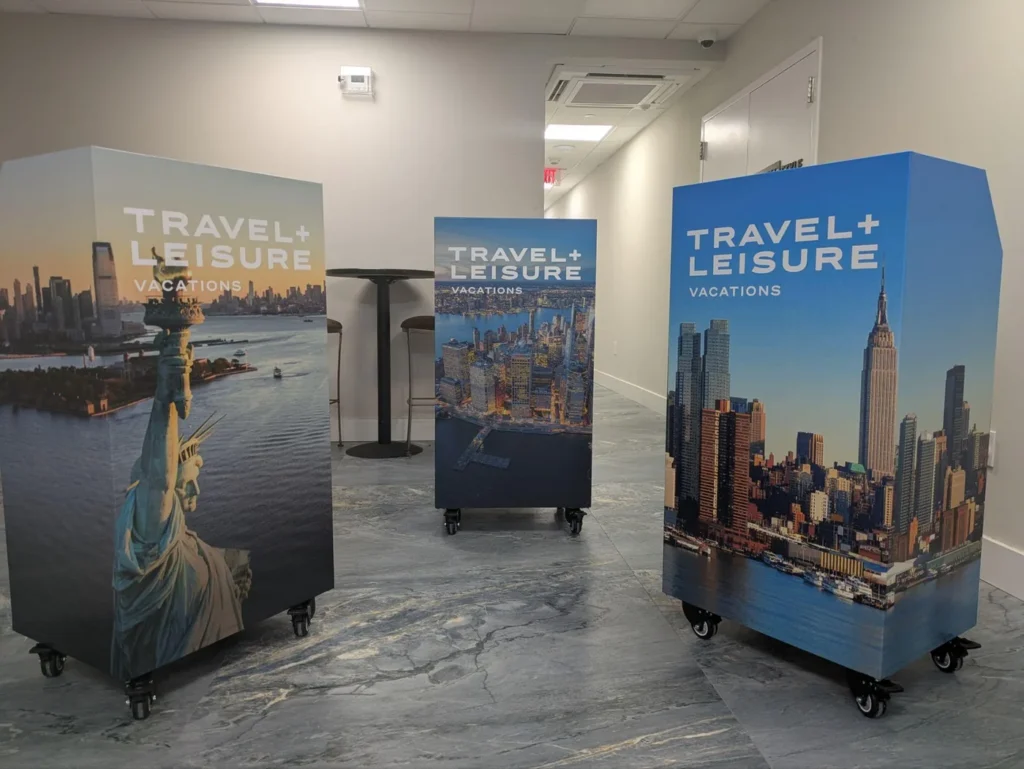
- Custom printed graphic film. A white flexible film printed with any image, pattern, color or brand graphic and then laminated for protection. This is what we use when a client wants something no catalog offers: a brand pattern on a reception desk, a skyline on valet stands, a specific wood tone matched to existing millwork. We print at high resolution and finish with a matte or gloss laminate, as shown in our graphic film resurfacing case study.
Both types share the same idea: the substrate stays, the surface changes. Regular decorative vinyl (the kind used for short-term wall decals) is thinner and is not designed for daily wear on doors and counters, so it is the wrong product for this job.
Where architectural film works best in NYC buildings
We see the strongest results on surfaces that are structurally fine but visually dated or worn.
Elevator doors and cab interiors
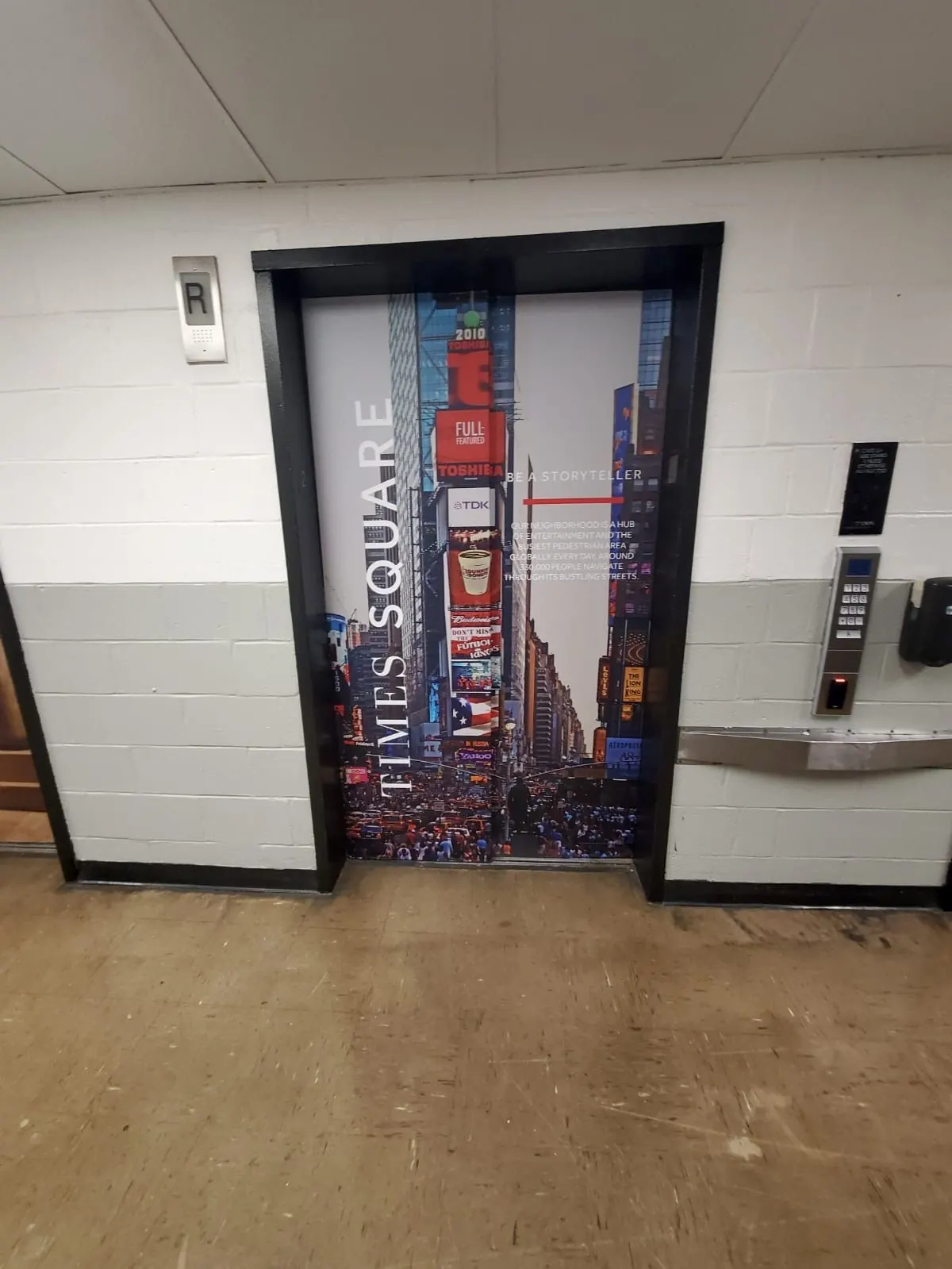
Elevator landing doors and cab panels take a beating from carts, deliveries and move-ins. Replacing stainless panels is expensive and takes an elevator out of service. Film in a brushed metal, wood or solid finish can change the look of the cab and the landing doors with far less downtime. In multi-tenant buildings, schedule this with building management and the elevator contractor, since the cab will be out of service during the install.
Office doors and door frames
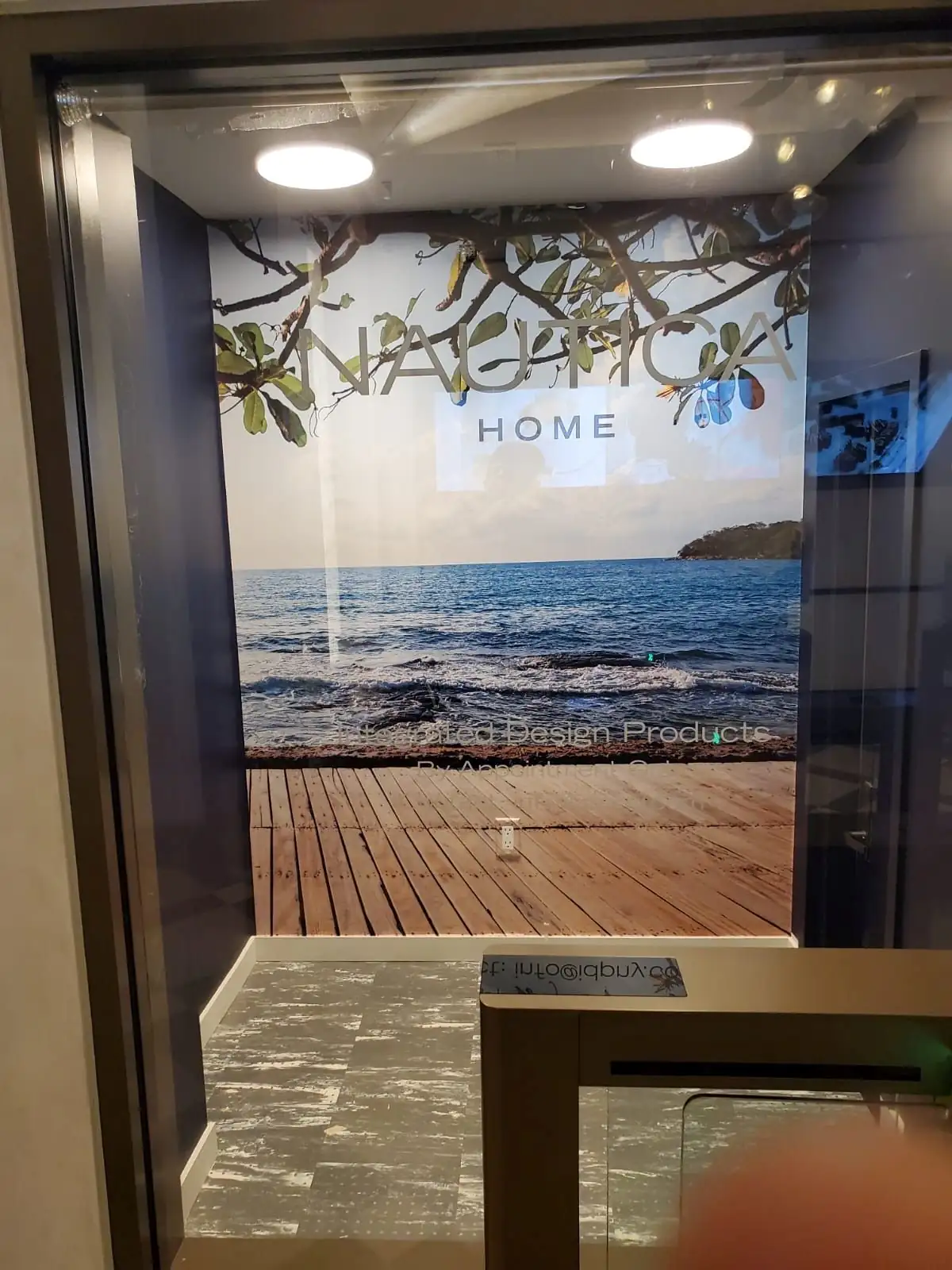
Conference room and office doors with worn laminate are one of the most common film jobs. A wood finish across a whole floor of doors gives a renovated look at a fraction of the cost of new doors. If you are also updating room signs, plan both together so the office signs sit on a clean, consistent surface.
Reception desks and counters
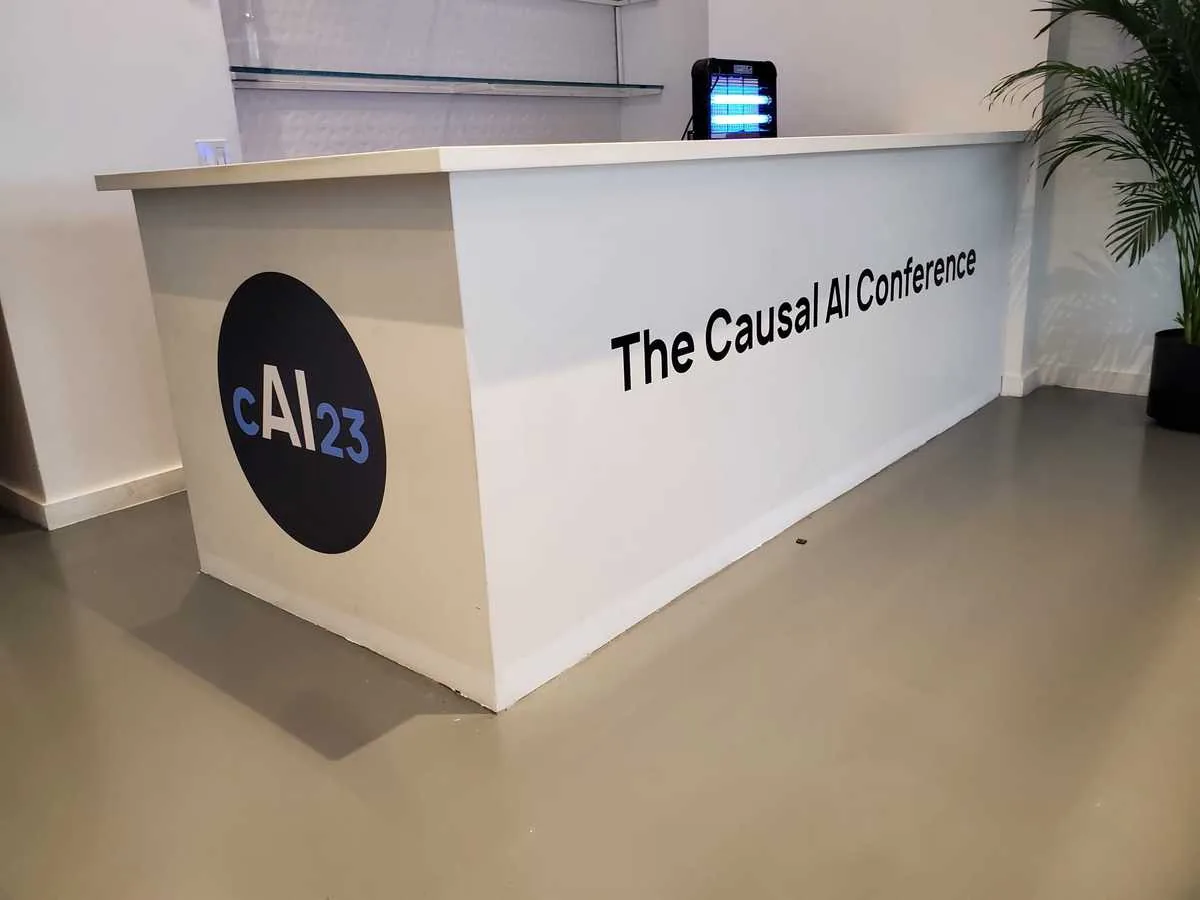
The reception desk is the first thing visitors see. Film can turn an outdated desk into a stone or wood look that matches a new brand palette, and it pairs well with a refreshed lobby logo sign on the wall behind it. Counters with heavy daily use need a durable finish film rather than a printed decor film.
Cabinets, pantries and millwork
Office kitchens and storage cabinets are classic candidates. 3M reports a hospital that chose to resurface cabinets instead of replacing them and reduced overall renovation cost by 75 percent (3M). Results depend on the project, but the gap between film and new millwork is usually large.
Columns, wall panels and objects
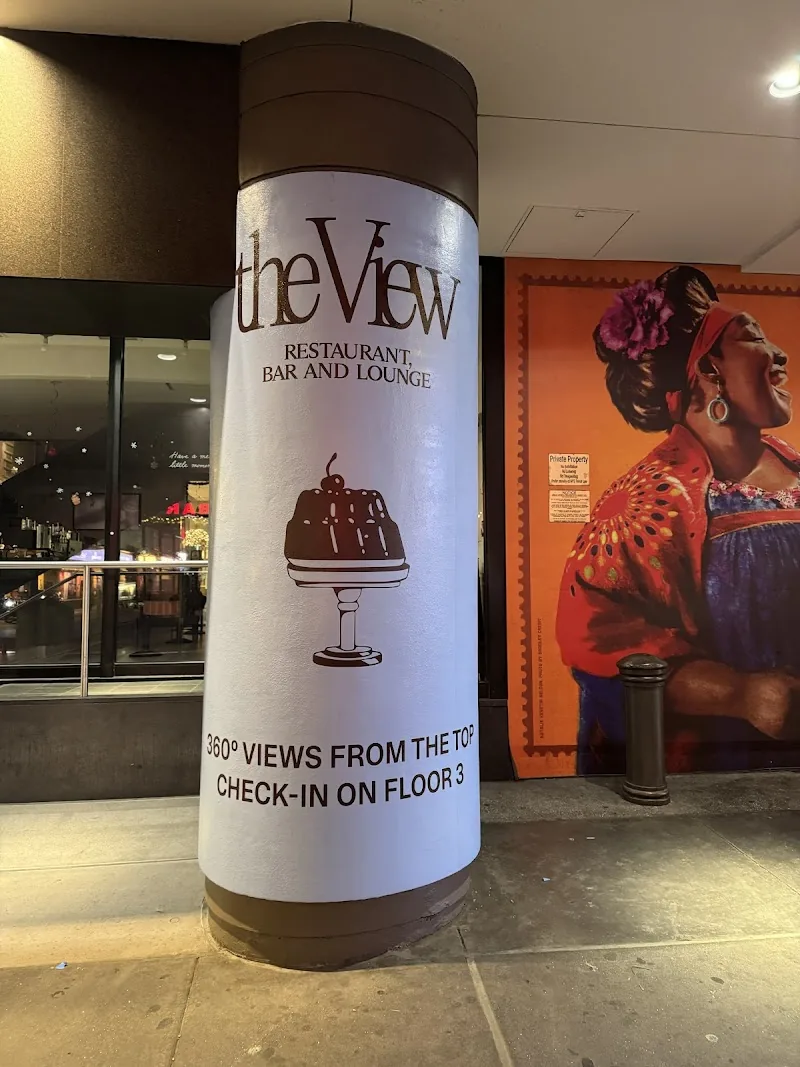
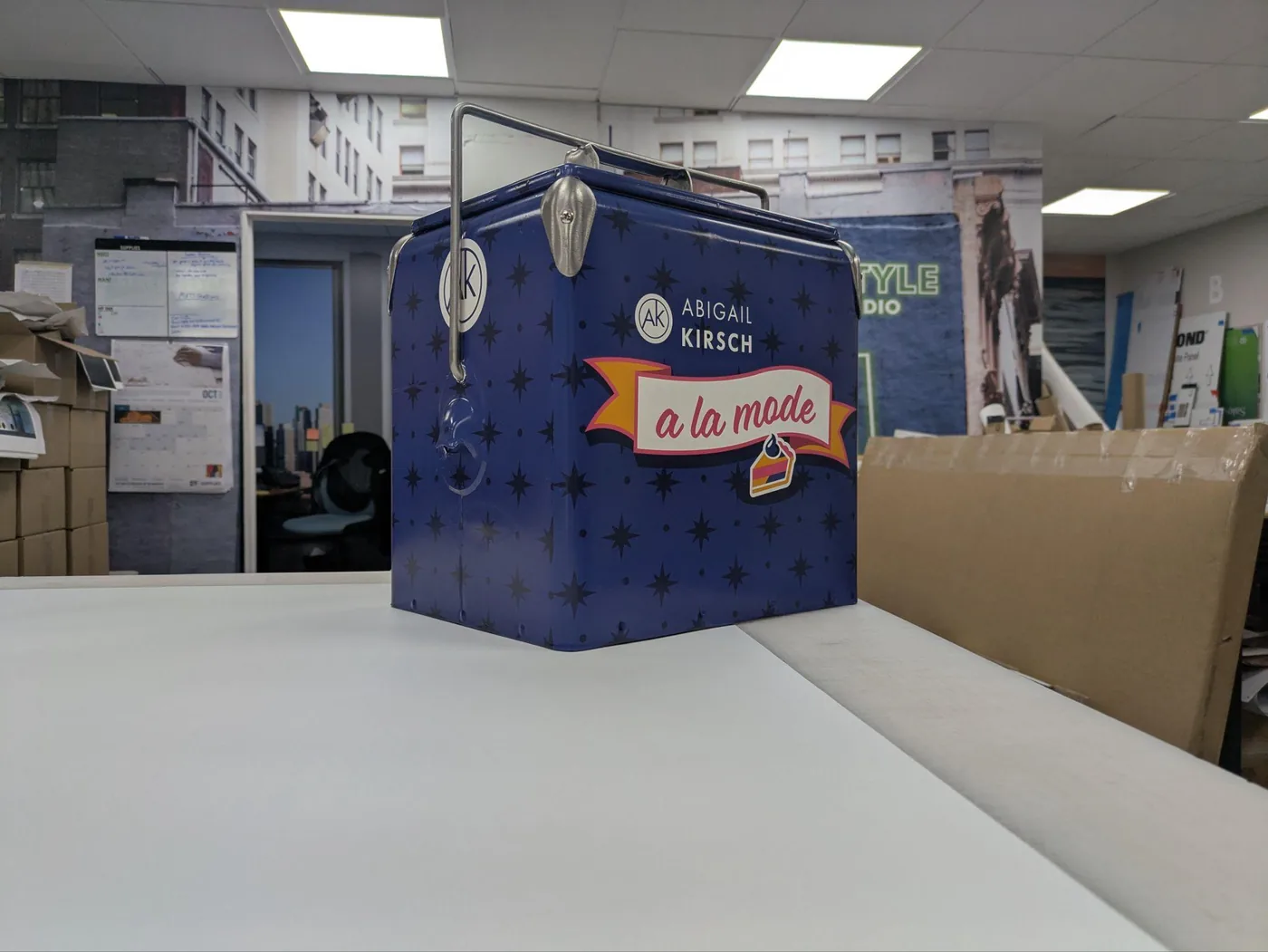
Lobby columns, wall panels, HVAC covers, kiosks, coolers, camera boxes and signage frames can all be wrapped. Branded objects are where custom printed film shines. We have wrapped a photo booth camera box, a vintage cooler and a fleet of valet stands, each printed with the client’s own graphics.
Architectural film vs. replacement vs. paint
Film isn’t always the right answer. Here is how the three options compare on the factors NYC facility managers ask us about most.
| Factor | Architectural film | Full replacement | Paint |
|---|---|---|---|
| Typical downtime | Hours to a few days, often after hours | Days to weeks | Days, plus dry time and odor |
| Noise and dust | Very low, dry install | High (demolition, cutting) | Low noise, some odor |
| Finish options | Wood, stone, metal, leather, solids, custom prints | Anything, at a price | Solid colors and basic effects |
| Waste | Substrate stays in place | Old doors, panels or counters go to disposal | Minimal |
| Durability | Long-lasting on a sound surface; can be repaired in sections | Longest | Chips and scuffs in high-traffic areas |
| Best for | Sound but dated surfaces, fast refreshes, branded objects | Damaged or failing substrates, layout changes | Walls and low-traffic surfaces |
Cover Styl’, one film manufacturer, estimates refinishing savings of 50 to 70 percent compared with replacement (Cover Styl’). Treat any manufacturer figure as a starting point and compare real quotes for your own space.
Where film is not the right choice
Being honest about limits saves money. Film follows the surface it covers, so it shows what is underneath.
- Damaged substrates. Deep dents, swollen particleboard, peeling laminate or rot need repair before film, or replacement instead.
- Heavy abrasion zones. Kick plates, cart paths at floor level and counter edges that get hit by carts all day may wear through faster. Protective edging or a metal kick plate often solves this.
- Wet areas. Shower surrounds and areas with standing water are poor candidates.
- Textured walls. Heavily textured paint or brick will show through and keep the film from bonding fully.
- Layout changes. If you need to move a wall, widen a door or change the desk shape, film can’t help. That’s a renovation.
A good installer will tell you which surfaces to skip. If someone promises film will fix a door that is falling apart, get a second opinion.
Fire ratings and building approvals in NYC
In commercial buildings, materials applied to walls, doors and elevator interiors are interior finishes, and building managers, architects and code consultants often ask for fire performance data before work starts.
Ask your supplier for:
- The flame spread and smoke rating of the specific film (ASTM E84 or UL 723 testing). Several architectural finish films are tested to Class A; Belbien, for example, publishes a Class A rating (IDS / Belbien).
- The product data sheet, so the building’s team can check it against what their code consultant requires for lobbies, corridors and exits.
- Elevator coordination. Anything inside an elevator cab should be cleared with building management and the elevator maintenance contractor first.
Custom printed films and laminates have their own ratings, which differ from finish films. For corridors, exits and elevators, confirm the rating of the exact film and laminate before you approve a design.
How an architectural film install works
Most projects follow the same steps.
- Site visit and measurements. We look at every surface, note damage, and confirm which items get film. This is also when we check hardware that has to come off (handles, kick plates, signage).
- Finish selection. You choose from finish samples or approve a custom print proof. We recommend seeing a physical sample on site, because wood and stone films look different under office LED lighting than on a screen.
- Surface prep. Cleaning, degreasing, filling small dings and sanding rough spots. Adhesion depends on this step more than any other.
- Install. Installers apply, heat and trim the film around edges and hardware. On doors, the film wraps the edges for a finished look. Most work happens after hours in occupied offices.
- Reinstall hardware and inspect. Handles and signs go back on, and seams and edges get checked.
Because there is no dust or paint odor, the space can usually be used the next morning.
Pairing film with a rebrand
Film is often one piece of a bigger visual update. When a company changes its logo or colors, doors, reception desks and branded walls all need to follow, and film lets you carry the new palette onto surfaces you would never replace just for a brand change.
A combined plan might include new dimensional lobby letters, film on the reception desk and conference doors, wall graphics in the main corridor, and frosted film on glass walls. If you’re weighing frosted film options for glass, our comparison of frosted window film vs. printed graphics for NYC offices covers the trade-offs. Our rebranding team can plan all of these as one schedule, so the office changes over in a single weekend instead of piece by piece.
Frequently Asked Questions About Architectural Film
How long does architectural film last?
On a sound, properly prepared indoor surface, architectural film lasts for years. Lifespan depends on the product, the laminate, the amount of daily contact and how it is cleaned. Ask for the manufacturer’s indoor durability rating for the specific film.
Can architectural film be applied over laminate or metal?
Yes. Laminate, painted wood, metal and many plastics are common substrates, as long as the surface is smooth, clean and well bonded. Peeling laminate or rusted metal must be repaired first.
Is architectural film cheaper than replacing doors or counters?
Usually, yes. Film avoids demolition, disposal and most of the labor of replacement. Manufacturers cite savings in the range of 50 to 75 percent on specific projects, but your quote depends on the number of surfaces, prep work and the finish chosen.
Can architectural film be removed later?
Most architectural films can be removed, though removal can be time-consuming and may affect a weak substrate underneath. If you rent your space, check with your landlord whether film counts as an alteration and how it must be returned at lease end.
Is architectural film fire rated?
Many architectural finish films are tested to ASTM E84 or UL 723, and some carry a Class A rating. Ratings differ by product, so confirm the exact film before installing it in lobbies, corridors, exits or elevators.
How long does an office install take?
A handful of doors or a reception desk can often be finished in a single evening or weekend. A full floor of doors or an elevator bank takes longer and is usually scheduled across several nights to keep the office running.
Refresh the space you already have
If the bones of your office are good, you may not need a renovation at all. Architectural film and custom graphic film let you change finishes, carry a new brand through the space and fix worn surfaces with very little disruption.
Send us photos of the surfaces you want to update and we’ll tell you which ones are good candidates for film. You can see examples of objects and surfaces we have wrapped in our graphic film resurfacing case study.